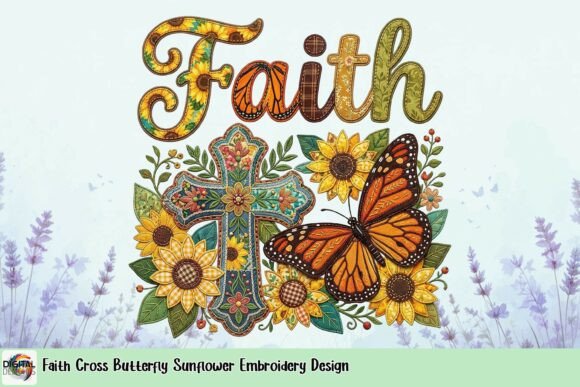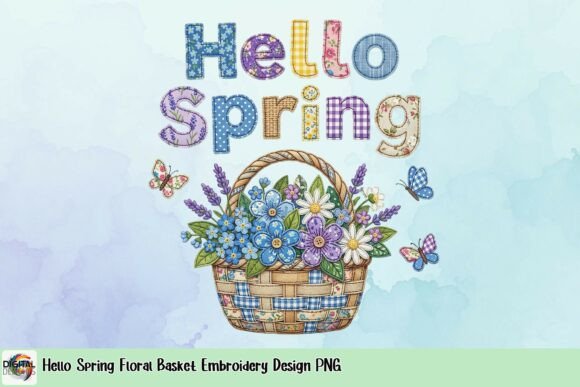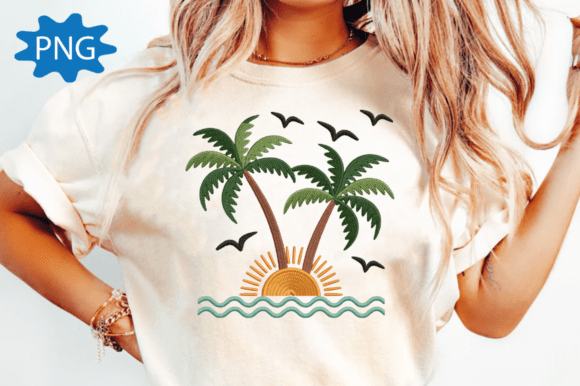
Floral Butterfly Embroidery Clipart PNG Review
A Designer’s First Look: Delicate, Versatile, and Ready for Real Projects
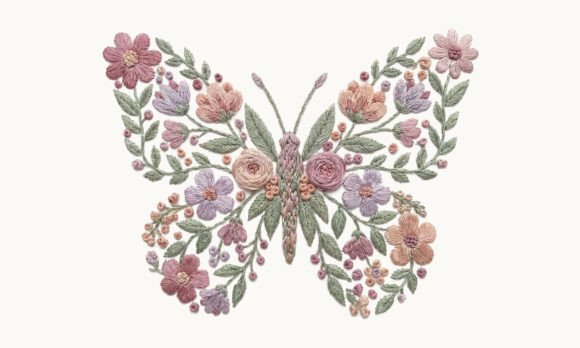
As an embroidery designer who’s digitized over 300 original motifs for Etsy shops, boutique apparel lines, and custom gift clients, I approached the Floral Butterfly Embroidery Clipart PNG with a mix of curiosity and caution. It wasn’t just another graphic—I was evaluating it for an upcoming spring collection: embroidered linen tote bags, organic cotton baby blankets, and matching kitchen towel sets for a local craft fair vendor. Right away, the 4096 × 4096 px, 300 DPI PNG with transparent background stood out—not as a “pretty picture,” but as a potential design asset with real stitching personality. The composition balances airy floral vines with a central butterfly that feels hand-drawn, not algorithmically generated. There’s gentle asymmetry, subtle layering in the petals, and wing details that suggest movement—qualities that translate well into satin stitch and delicate fill stitch work.
How It Performs Across Common Handmade Products
The Floral Butterfly Embroidery Clipart PNG shines where many clipart-style graphics fall short: adaptability across fabric types and product categories. On a lightweight linen tote bag, the motif scaled cleanly to 3.5” wide and stitched with minimal puckering—thanks to its balanced line weight and absence of ultra-thin connectors or micro-details. For sweatshirt embroidery, I resized it to 4.25” and added light tear-away stabilizer underneath medium-weight fleece; the floral elements held definition without excessive stitch density, and the butterfly’s wings retained soft curvature instead of looking stiff or pixelated.
On curved surfaces like caps, I tested a simplified version (cropped to just the butterfly + one stem) at 2.75”. It worked—but only after adjusting tension and using cap-friendly cutaway stabilizer. That said, the full original design isn’t ideal for low-profile cap embroidery due to its width and layered foliage. For baby blankets and nursery decor, the motif’s gentle scale and organic flow made it feel intentional—not decorative filler. And on kitchen towels? Paired with a simple running stitch border and cotton thread, it read as thoughtful handmade craftsmanship rather than mass-printed clipart.
Practical Considerations for Commercial & Small-Batch Use
If you’re planning to use the Floral Butterfly Embroidery Clipart PNG for commercial embroidery—or even just to elevate your Etsy listings—you’ll want to test key variables before committing to production:
- Hoop size: At full resolution, it scales comfortably up to 5” wide in most embroidery software, but stays clean and stitchable down to 2.25” (ideal for pillow covers or apron pockets). Avoid going smaller than 2” unless simplifying outlines.
- Stabilizer & fabric pairing: Works reliably on stable weaves (linen, quilting cotton, twill), but requires medium cutaway stabilizer on stretchy knits or textured terry cloth. On dark fabric, I recommend testing thread colors first—light ecru or pale sage green popped beautifully against navy denim.
- Wash durability: After three cold-machine washes on a test sweatshirt, the stitches remained crisp with no fraying or loosening—likely thanks to the motif’s moderate stitch density and lack of ultra-fine interior fills.
- Licensing clarity: Since this is a Graphics-category item under T-Shirt Designs, confirm usage rights directly on the Creative Fabrica product page before selling finished embroidered items. PNG files are not machine embroidery files by default—they’re design sources meant for digitizing or print use.
Impact on Your Brand, Presentation, and Customer Experience
What surprised me most about the Floral Butterfly Embroidery Clipart PNG wasn’t just how it stitched—it was how it elevated the perceived value of the finished product. A customer ordering a personalized baby blanket with this motif commented specifically on how “hand-drawn and gentle” it felt compared to generic stock butterflies she’d seen elsewhere. That matters. In today’s handmade market, buyers don’t just pay for thread and fabric—they pay for intention, care, and visual cohesion. This design supports brand consistency when used across multiple products (e.g., matching pillow cover + tea towel + embroidered patch), especially if you pair it with a restrained color palette and consistent stitch style.
For product photography, the motif’s clean edges and transparent background make mockups effortless—no clipping masks needed. And because it avoids trendy gradients or neon accents, it photographs well in natural light, which boosts engagement on Instagram and Etsy search results. As a digital embroidery file source, it also saves time: rather than sketching from scratch, I used it as a base for two custom applique designs—one with raw-edge floral layers, another with minimalist blackwork-style outlines—both of which sold faster than previous seasonal listings.
Final Thoughts for Embroidery Designers & Creative Entrepreneurs
The Floral Butterfly Embroidery Clipart PNG isn’t a plug-and-play machine embroidery design—and that’s actually its strength. It’s a high-resolution, thoughtfully composed graphic built for adaptation: whether you’re digitizing for commercial embroidery, creating printable mockups, designing embroidered patches, or developing a cohesive line of custom apparel. Its mood—soft but not saccharine, detailed but not fussy—makes it equally suited for nursery decor, boutique merchandise, or handmade gifts aimed at mindful consumers.
Before downloading, ask yourself: Do I need a ready-to-stitch embroidery file, or am I comfortable using this as a design foundation? If you’re digitizing in-house or working with a digitizer, this PNG delivers excellent source fidelity. If you’re new to embroidery design, treat it as a learning reference—study how the curves flow, how negative space is balanced, and how floral weight shifts across the composition. And always, always run a test stitch on scrap fabric first. Check thread contrast on both light and dark backgrounds. Inspect small petal tips and wing veins post-stitching. Then decide—not based on pixels alone, but on how it behaves in your hands, on your fabrics, and in your customers’ lives.