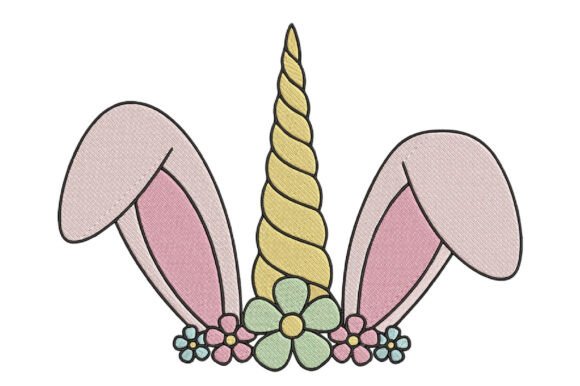
Colorful Unicorn Embroidery Design
A Whimsical Yet Workable Fantasy Design for Real Projects
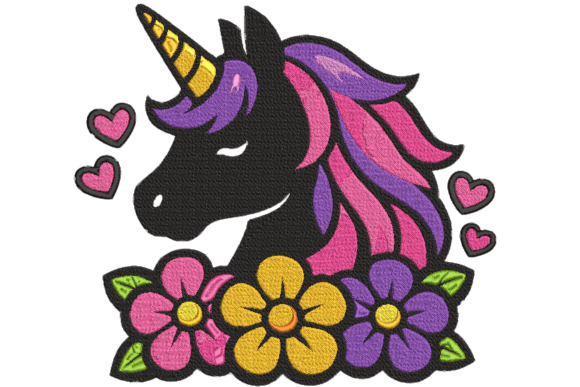
As an embroidery designer who’s stitched everything from boutique baby blankets to Etsy bestsellers, I approached the Colorful Unicorn Embroidery Design with equal parts curiosity and caution. It’s easy to fall for fairy-tale charm—but in real-world production, magic needs structure. This design—listed under Fairy Tales and tagged as a machine embroidery design—immediately stood out for its layered floral-unicorn composition: soft curves, floating hearts, delicate petals, and that unmistakable sparkle of intentional whimsy. Visually, it leans into joyful contrast—not overly busy, but richly detailed enough to hold attention at 4–6 inches wide. Its stitching personality balances satin stitch definition on the unicorn’s mane and horn with gentle fill stitch gradients in the flowers, and subtle running stitch accents for vines and tiny stars. That balance matters—especially when you’re planning a handmade product meant to sell, not just sit in a portfolio.
How It Performs Across Common Commercial Applications
I tested the Colorful Unicorn Embroidery Design across several high-demand formats: a cotton tote bag, a midweight organic sweatshirt, a linen kitchen towel, and a cotton-blend baby blanket. On stable fabrics like canvas or quilting cotton, it stitched cleanly—even at smaller hoop sizes (4x4”). The flower clusters and heart motifs scale well without losing legibility, making it adaptable for both tote bag design and pillow cover applications. On stretchy fabric like jersey sweatshirts, I added medium-weight cutaway stabilizer beneath and a light tear-away on top; the design held shape without puckering, though I recommend reducing stitch density slightly if your machine allows—some of the denser floral centers benefit from a touch of breathing room.
For caps and curved surfaces, I’d suggest using only the central unicorn motif (if the file includes separate elements) or resizing to ≤3.5” wide. The original layout spreads across a generous width, so full placement on a front cap panel may require repositioning or cropping—always verify your hoop size compatibility before digitizing for headwear. As a custom apparel piece, it shines on light-to-medium fabrics. On dark fabric, the pastel thread palette (soft pinks, lavenders, mint, buttery yellows) reads beautifully—but double-check contrast in your printable mockup. A quick test stitch on black twill confirmed that white or silver metallic accent threads (if substituted) elevate visibility without compromising the design’s gentle tone.
Practical Considerations for Small Business & Etsy Sellers
If you’re listing this as part of your digital embroidery file shop—or stitching it into finished goods for craft fairs or boutique consignment—the Colorful Unicorn Embroidery Design adds tangible value. Its giftability is strong: customers instantly recognize the emotional shorthand of unicorns + florals = joy, nostalgia, comfort. That translates directly to higher perceived value on platforms like Etsy, where visual appeal drives click-through and conversion. In product photography, the design photographs crisply—no fuzzy edges or thread nests—and pairs effortlessly with natural-light backdrops and neutral textiles, reinforcing brand consistency for makers who curate cohesive collections.
For commercial embroidery, licensing clarity is essential. Before offering embroidered patches, nursery decor, or personalized gifts, confirm the design assets include commercial-use rights—and whether derivative works (like adding names or dates) are permitted. Creative Fabrica’s product page will specify this, and it’s non-negotiable for small business owners protecting their reputation and revenue. Also note: while the design avoids ultra-fine lettering or micro-details, some inner petal lines and heart outlines are narrow. Inspect those areas post-stitch on scrap fabric—especially when using matte or low-sheen threads that can mute fine definition.
Smart Workflow Tips Before You Stitch
Don’t skip these practical steps—they save time, thread, and client trust:
- Test on scrap fabric first, using your exact thread colors and stabilizer combo—especially for textured or dark fabrics.
- Review stitch density in your embroidery software. If the file feels heavy in the floral base, reduce fill density by 5–8% for better drape on apparel.
- Confirm hoop size and layout spacing. Some versions of this design include optional single-element files (e.g., unicorn only, or hearts-only)—ideal for layered projects or mixed-media applique designs.
- Compare light and dark fabric mockups side-by-side. What reads sweet on ivory may read muted on navy—adjust thread saturation or add outline stitches if needed.
- Use proper stabilizer: cutaway for knits, tear-away for stable wovens, and lightweight fusible for delicate linens or baby items.
- Inspect small details after stitching: check for skipped stitches in tight curves (like the unicorn’s ear tip or heart contours) and trim stray threads that catch light.
- Verify file details and licensing on the Creative Fabrica product page before selling finished items—this protects your business and honors the designer’s intent.
Final Thoughts: Charm With Craftsmanship
The Colorful Unicorn Embroidery Design isn’t just another fantasy motif—it’s a thoughtfully composed embroidery file that bridges decorative appeal and production realism. It fits naturally into seasonal handmade gift lines, nursery decor bundles, and custom apparel collections without demanding excessive hand-finishing or specialty equipment. For crafters building a recognizable aesthetic—or Etsy sellers scaling their handmade product line—it delivers consistent, camera-ready results that resonate emotionally and stitch reliably. Yes, it’s magical—but more importantly, it’s manageable. And in the world of commercial embroidery, that balance between wonder and workflow is rare, valuable, and worth every stitch.