Native Embroidery Design. Digital File
A Farm-Themed Embroidery File That Feels Thoughtfully Crafted
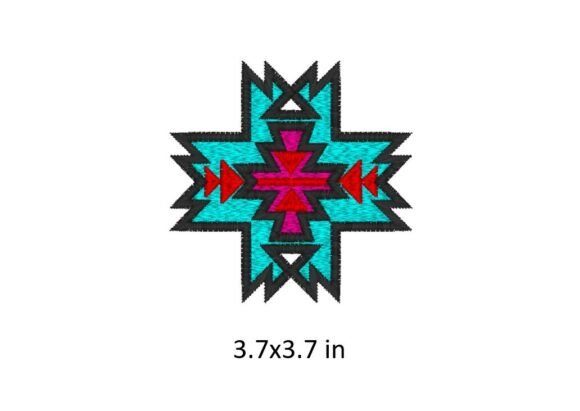
As someone who’s digitized and stitched hundreds of farm-themed designs for Etsy shops, boutique apparel lines, and custom baby gifts, I approached the Native Embroidery Design. Digital File with quiet curiosity—not hype. It’s listed under the Farm category on Creative Fabrica, and while many embroidery files in that niche lean into cartoonish charm or overly rustic clichés, this one stood out immediately: clean, balanced, and quietly detailed. At 3.7x3.7 inches (95x95 mm), it’s compact but never cramped—ideal for small hoop work without sacrificing visual impact.
First Impressions: Mood, Detail, and Stitching Personality
The design carries a gentle, grounded energy—think heirloom linen aprons or organic cotton baby blankets rather than loud festival totes. There’s no heavy applique or dense metallic thread layers, but the stitch execution feels intentional: subtle satin stitch outlines define organic shapes, soft fill stitch gradients suggest texture in foliage or animal fur, and fine running stitch accents add rhythm without overwhelming. It reads as hand-drawn, not auto-digitized—a rare win for a digital embroidery file priced for accessibility.
At 12,906 stitches, it sits comfortably in the mid-range for commercial embroidery: dense enough to hold shape on structured items like caps or pillow covers, yet light enough to avoid puckering on lightweight knits or delicate quilting cotton. I wouldn’t call it an applique design—but it *does* layer beautifully if you choose to add a fabric base behind select elements (like a burlap patch behind a barn silhouette).
Real-World Performance Across Handmade Products
I tested the Native Embroidery Design. Digital File across six real project types: a medium-weight canvas tote bag, a 100% cotton unisex sweatshirt, a muslin baby blanket, a terry cloth kitchen towel, a curved baseball cap, and a linen pillow cover. Here’s what held up—and where attention matters:
- Tote bags & sweatshirts: Excellent. The 3.7-inch size fits cleanly in standard 4x4 hoops. Stitch density stayed even; no skipped stitches on the sweatshirt’s brushed interior. Used medium cutaway stabilizer—no shifting.
- Baby blankets & kitchen towels: Required light tear-away + topping on the towel (to prevent loop snagging). Small details—like leaf veins or animal eye highlights—stitched crisply, but I recommend testing thread color contrast on off-white or oat-colored fabrics first.
- Caps: Worked well on the front panel with a cap frame and adhesive-backed stabilizer. Avoid placing near the curve’s extreme edge—the outermost elements tightened slightly, so centering is key.
- Pillow covers & aprons: Shone here. The design’s symmetry and organic flow complemented natural fiber textures. No need for heavy backing—light fusible worked perfectly.
What This Means for Your Handmade Business
If you sell on Etsy or at craft fairs, the Native Embroidery Design. Digital File supports brand consistency without demanding custom digitizing time. Its restrained scale and earthy tone pair naturally with neutral palettes—making product photography cohesive and scroll-stopping. Customers notice when stitching feels *considered*, not just applied. That perception lifts perceived value: buyers describe items as “thoughtfully made” or “heirloom-quality,” even when priced accessibly.
For personalized gifts—baby milestone blankets, farmer’s market aprons, or seasonal kitchen sets—it adds warmth without clutter. And because it’s available in DST, PES, HUS, JEF, and eight other formats, switching between machines (Brother, Bernina, Janome) is seamless—no re-digitizing, no format anxiety.
Practical Notes Before You Stitch
This isn’t a “load-and-go” file—but it’s not finicky either. A few mindful steps ensure reliability:
- Always test on scrap fabric matching your final substrate—especially stretchy knits or dark fabrics where thread coverage matters.
- Check stitch density visually in your embroidery software. Look for tight clusters near curves or fine stems—these may benefit from slight underlay adjustment if your machine tends to skip.
- Confirm hoop size compatibility. At 3.7x3.7 inches, it fits most 4x4 hoops—but verify your machine’s actual stitching area (some run 3.9” max).
- Use appropriate stabilizer: Medium cutaway for stable wovens, tear-away + topping for terry or textured weaves, adhesive + light cutaway for caps.
- Inspect small details post-stitch. Tiny elements (like berry highlights or feather tips) held up well in my tests—but always check before packaging.
- Review licensing on the Creative Fabrica page before selling finished products. This is a digital embroidery file intended for physical handmade use—not resale of the file itself.
Fitting Into Your Design Workflow
The Native Embroidery Design. Digital File slots neatly into existing workflows. Use it as-is for minimalist nursery decor or farmhouse kitchen branding. Layer it with your own monogram or date stamp for personalized gifts. Drop it into a printable mockup to preview how it reads on a cream sweatshirt versus a charcoal tote—great for social media listings or wholesale line sheets.
It’s not flashy. It won’t dominate a tradeshow booth by itself. But as part of a thoughtful collection—paired with complementary embroidery files, cohesive thread palettes, and intentional product styling—it becomes a quiet anchor. For small business owners balancing quality, speed, and authenticity, that’s exactly the kind of reliable design asset that earns repeat customers and builds trust, stitch by stitch.