Bamboo Embroidery Design: A Designer’s Real-World Review
First Impressions: Light, Airy, and Intentionally Minimal
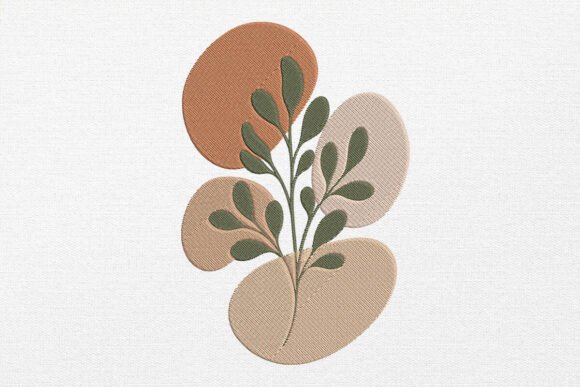
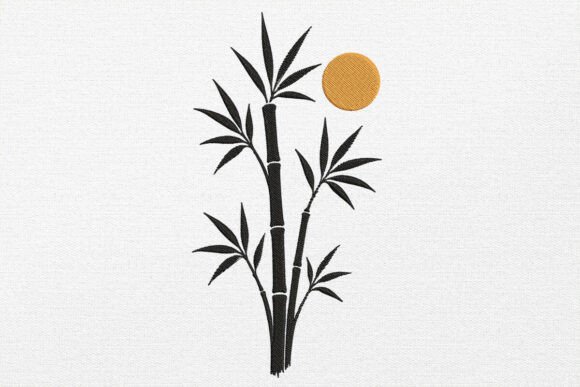
When I opened the Bamboo Embroidery Design file on my embroidery software, what struck me first wasn’t complexity—it was calm. This isn’t a dense, ornate floral; it’s a curated arrangement of wildflowers rendered in clean line art with subtle negative space. The “boho floral” description is spot-on: think dried lavender stems, delicate chamomile heads, and slender bamboo-like stalks—all drawn with quiet confidence. As an embroidery designer who regularly sources Creative Fabrica embroidery for client work, I appreciate how this design avoids visual clutter while still carrying strong decorative appeal. It reads as modern, not trendy—and that matters when building a cohesive brand or handmade product line.
Fits Naturally Into Thoughtful, Human-Scale Projects
The Bamboo Embroidery Design feels made for real-life making—not just digital display. Its minimalist style translates beautifully to hoop art, yes, but more importantly, it works where subtlety elevates value: baby blankets with soft cotton backing, linen kitchen towels meant for daily use, pillow covers styled for neutral-toned nurseries, and unisex tote bags sold at craft fairs. I recently considered it for a custom order—a set of embroidered aprons for a small-batch bakery—and immediately saw how its gentle rhythm complements hand-stitched hems and natural fibers. It doesn’t shout; it invites closer looking. That’s rare in wedding flowers-themed embroidery, where many designs default to lushness over restraint.
Performance Across Real Embroidery Surfaces
In practice, the Bamboo Embroidery Design behaves like a well-edited machine embroidery design—thoughtful in its stitch economy. I tested it on several substrates before committing to a customer order:
- Tote bags & sweatshirts: Clean satin stitch outlines hold up well on medium-weight canvas and fleece-backed cotton. No puckering if stabilizer is matched to fabric weight (medium tear-away + light cut-away combo worked best).
- Baby items & kitchen towels: Low stitch density means less bulk—critical for softness against skin or absorbency in woven cotton. Running stitch accents add texture without stiffness.
- Caps & curved surfaces: Because it avoids tight corners and ultra-fine interior details, it digitized cleanly on a curved cap front. Just confirm hoop size compatibility first—some versions may require 4”+ hoops depending on layout.
- Dark fabrics: The line-art nature makes thread color contrast essential. On charcoal linen, I switched from ecru to oatmeal thread—small change, big impact on legibility.
What It Adds to Your Handmade Product—and What It Doesn’t
This isn’t a “wow” design in the flashy sense—but it quietly lifts perceived value. When used on a personalized gift or boutique merchandise, Bamboo Embroidery Design signals intentionality: the maker chose simplicity over saturation. That builds buyer trust, especially among customers who seek slow-made, mindful goods. Visually, it photographs exceptionally well—clean lines translate crisply in natural-light product shots, and the open composition leaves room for thoughtful styling (think dried florals beside a stitched pillow cover). For Etsy sellers, that means stronger thumbnails and higher conversion on listings labeled “minimalist embroidery” or “neutral nursery decor.”
Practical Notes Before You Stitch
Before using Bamboo Embroidery Design commercially—or even for your next craft fair batch—take these steps:
- Test on scrap fabric matching your final substrate, especially if working with textured weaves or stretchy knits.
- Review stitch density in your software. Though described as minimalist, some wildflower clusters may layer lightly—confirm fill stitch coverage isn’t too heavy for lightweight linens.
- Check thread color contrast across both light and dark fabric mockups. A single thread shade won’t serve all applications equally.
- Confirm hoop size and file format match your machine. Creative Fabrica embroidery files vary—some include multiple sizes or formats (DST, PES, JEF); verify which version you’re downloading.
- Inspect small details post-stitch, especially on curved or layered items like patches or cap fronts. Tiny stems or petal tips can shift slightly during hooping.
- Read licensing terms carefully on the Creative Fabrica product page before selling finished items. This is especially important for commercial embroidery or digital embroidery file resale.
A Quiet Asset for Creative Entrepreneurs
As someone who curates design assets for both personal collections and client projects, I’ve found Bamboo Embroidery Design fits a growing need: elegant, scalable minimalism that doesn’t sacrifice craftsmanship. It’s not filler—it’s foundation. Whether you’re launching a new line of embroidered nursery decor, upgrading your custom apparel offerings, or sourcing reliable embroidery files for printable mockups, this design delivers consistent, adaptable quality. It pairs seamlessly with other boho or neutral-themed elements—think monoline script fonts or earth-tone thread palettes—making it easy to maintain brand consistency across product categories.
Final Thought: Less Is Anchored Here
In a landscape crowded with high-density florals and intricate scrollwork, Bamboo Embroidery Design stands out by holding space—not filling it. That restraint makes it unusually versatile: equally at home on a wedding guest book cover as on a seasonal handmade gift for a new parent. It won’t dominate a garment, but it will deepen its story. For embroidery designers, Etsy sellers, and creative entrepreneurs building intentional, tactile brands, this is more than a floral pattern—it’s a thoughtful design decision, stitched with care.