Minimal Striped Fish Embroidery
A Designer’s First Look: Charm, Clarity, and Quiet Confidence
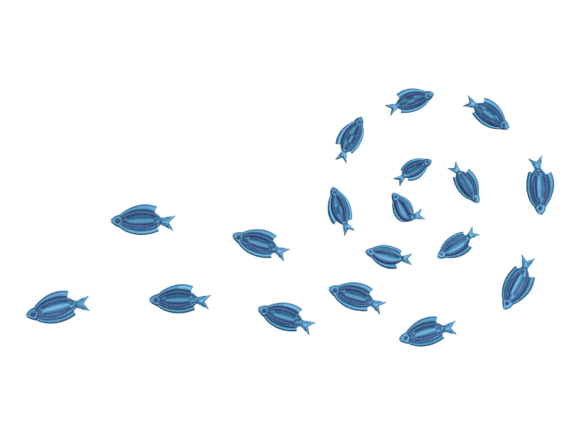
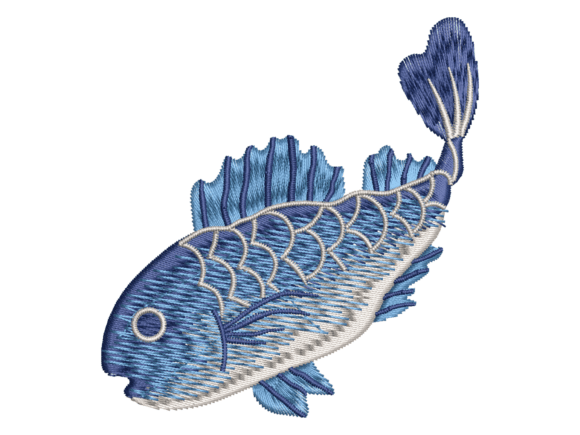
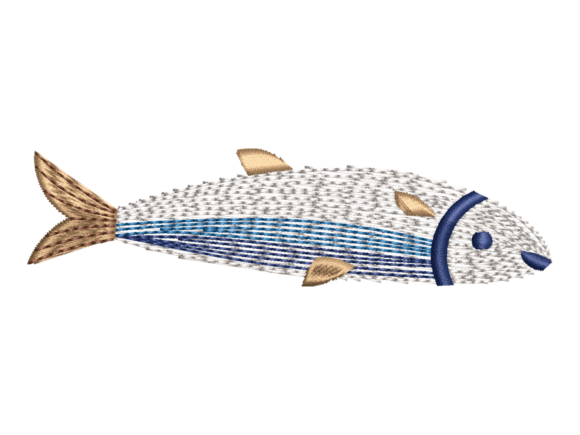
As an embroidery designer who’s tested hundreds of digital embroidery files for gift shops and Etsy sellers, I opened Minimal Striped Fish Embroidery expecting simplicity—but what stood out immediately was its quiet intentionality. It’s not just “minimal” in line count; it’s minimal with purpose. The stripes are evenly spaced, the fish outline is clean but not rigid, and the subtle curve of the tail suggests motion without clutter. There’s no fussy shading or dense fill—just confident, breathable stitching that feels handmade, modern, and gently playful. It leans into sweetness without saccharine, elegance without formality, and timelessness without stiffness. For a customer choosing a personalized gift—whether for a newborn’s first blanket or a couple’s kitchen towel—it carries warmth, whimsy, and quiet meaning.
Where This Design Truly Shines: Real Gift Applications
Minimal Striped Fish Embroidery is a versatile anchor for thoughtful personalization. On a soft cotton baby blanket? It reads as tender and gender-neutral—ideal for nurseries where calm palettes and gentle motifs matter. Stitched onto a linen pillow cover for a coastal wedding gift? It adds understated charm without competing with monogrammed initials or delicate lace trim. Applied to a sturdy canvas tote bag for a marine biologist’s birthday? It’s clever, cohesive, and conversation-starting. And on a flour-dusted kitchen towel for newlyweds? It’s functional art—light enough to avoid visual weight, memorable enough to become a keepsake.
Small shop owners and Etsy sellers will appreciate how easily this design integrates into curated collections: pair it with botanical motifs for a spring nursery line, layer it beside tiny anchors or waves for seaside-themed baby bundles, or use it solo on ivory tea towels for minimalist wedding favors. As a machine embroidery design, it scales beautifully—from 3-inch hoop placements on onesies to 5-inch versions on throw pillows—making it ideal for custom order previews and printable mockups alike.
Smart Placement & Thoughtful Limits
While Minimal Striped Fish Embroidery is forgiving, it rewards intention. Avoid placing it on highly textured fabrics like terry cloth or heavy bouclé unless you’ve tested stabilizer layers thoroughly—those subtle stripes can blur if the fabric shifts under the needle. Similarly, skip stretchy knits (like baby bodysuits) unless you’re using cutaway stabilizer and reducing stitch density manually—this isn’t a high-density fill design, so tension inconsistencies show more easily on unstable surfaces.
Dark fabric demands attention: test thread colors carefully. A light ecru or soft grey works beautifully on navy or charcoal, but avoid near-white threads on black—they’ll lack definition. And while the design avoids fine lettering or micro-details, don’t push it too small: below 2.5 inches, the stripe rhythm starts to lose visual impact. Curved surfaces (like mugs or rounded apron pockets) also require careful hooping—consider simplifying placement to flat zones like chest panels or towel hems.
Why Customers Choose—and Keep—This Kind of Personalized Gift
Gift buyers don’t just buy fish. They buy symbolism—flow, adaptability, calm, life. Minimal Striped Fish Embroidery taps into that quietly. Its restraint invites interpretation: Is it a nod to a family’s seaside roots? A tribute to a child’s first aquarium visit? A lighthearted wish for abundance and ease? That openness builds emotional connection faster than literal, busy designs.
For your shop, that translates directly to perceived value and trust. When customers see clean, balanced stitching on your product photos—and recognize the care behind intentional spacing and thread contrast—they associate your brand with quality handmade product standards. It also elevates your product photography: the design’s negative space allows fabrics and textures to breathe, making flat-lays and lifestyle shots feel authentic, not crowded. Engagement rises when buyers pause—not because it’s flashy, but because it feels *chosen*, not generic.
Practical Notes Every Embroiderer Should Run Before Going Live
- Always test on scrap fabric—especially if switching between cotton, linen, or blends. Note how the stripes hold up after washing and drying.
- Confirm hoop size compatibility before listing. While the design is minimal, verify it fits comfortably within your most-used hoops without re-hooping mid-stitch.
- Review stitch density in your embroidery software. If it’s unusually low (common in minimalist files), consider adding one light underlay pass for stability on lightweight fabrics.
- Match stabilizer to end use: tear-away for stable woven fabrics, cutaway for knits or heirloom items like baby blankets meant to last decades.
- Compare light/dark fabric mockups side-by-side. What reads softly on ivory may vanish on deep teal—adjust thread color accordingly.
- Inspect small details post-stitch: check stripe alignment, tail tip sharpness, and edge smoothness. Minimal doesn’t mean careless.
- Verify commercial licensing before selling finished products. Since this is a digital embroidery file delivered via ZIP or RAR, confirm usage rights with the original creator—especially for Etsy seller or wholesale applications.
A Final Thought for Makers and Sellers
Minimal Striped Fish Embroidery isn’t just another fish motif—it’s a quiet invitation to slow down, choose meaning over mass, and stitch with intention. Whether you’re embroidering baby embroidery for a first-time parent, crafting wedding gifts with soul, or building a small shop product line rooted in authenticity, this design supports your voice instead of overriding it. It leaves room—for names, for stories, for growth. And in a market flooded with noise, that kind of thoughtful space is rare, valuable, and deeply gift-worthy.