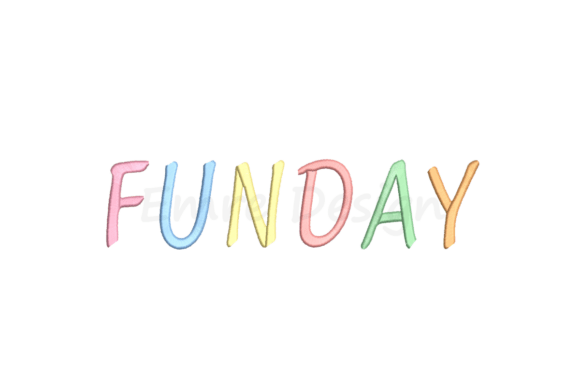
Funday Embroidery, Summer Beach
First Impressions: Whimsy That Stitches Well
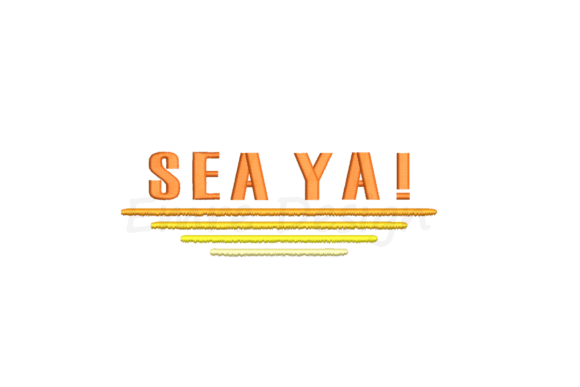
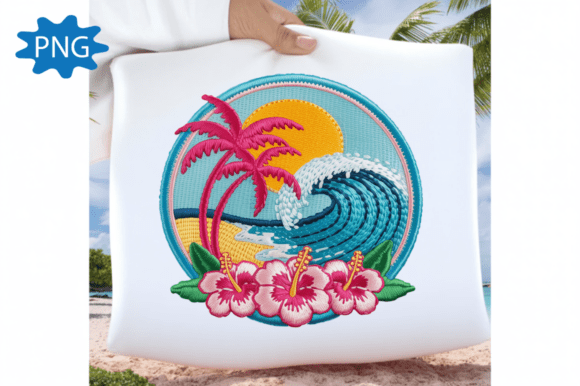
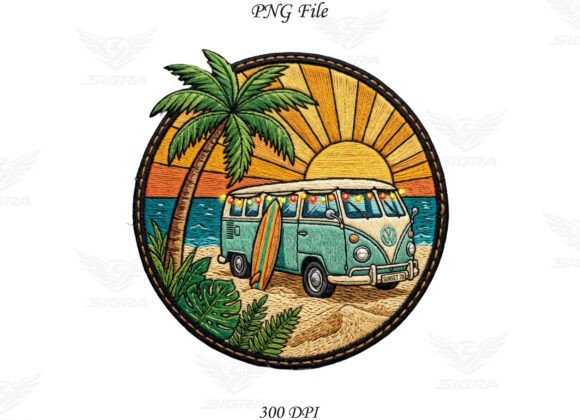
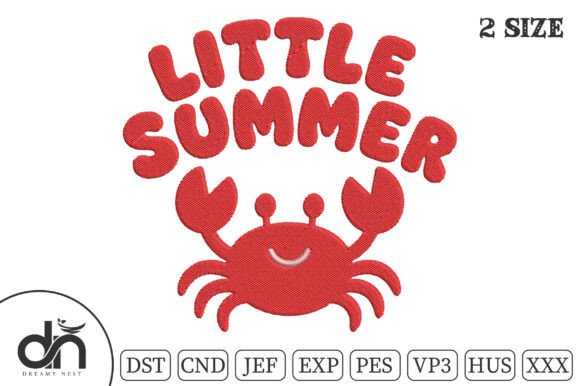
When I opened Funday Embroidery, Summer Beach, I didn’t just see a beach-themed machine embroidery design—I saw a mood. Light, breezy, and unpretentious. It’s got that effortless summer energy: soft curves, friendly proportions, and a layout that breathes across the hoop without crowding. No aggressive angles or overworked details—just clean silhouettes of a sun, a wave, maybe a tiny palm or flip-flop, all arranged with intuitive rhythm. It doesn’t shout “beach!” It hums it. That matters when you’re stitching for real people—not stock photos.
A Real Project Test: Custom Tote Bags for a Local Boutique
Last week, I used Funday Embroidery, Summer Beach on a batch of natural canvas tote bags for a seaside boutique in Maine. The goal? A relaxed, summery signature piece—not a novelty item, but something customers would reach for season after season. I chose a medium hoop size (5x7 inches), stabilized with medium-weight cutaway, and ran it on midweight cotton canvas. The result landed exactly where I hoped: cheerful but not childish, detailed enough to hold attention at arm’s length, simple enough to read clearly from three feet away. One customer told me she bought two—one for her daughter’s beach bag, one for herself “just because it made her smile.” That’s the quiet power of this design: it works as both product and personality.
Where It Shines—and Where to Pause
Funday Embroidery, Summer Beach is naturally suited to custom apparel and home goods with gentle surfaces. On sweatshirt embroidery? Yes—especially lightweight French terry or cotton-blend fleece, where its open stitch density won’t overwhelm the fabric’s texture. On tea towels or pillow covers? Absolutely. The fill stitch areas are generous but not dense, so they drape well and won’t stiffen linen or cotton blends. As a tote bag design or apron accent? Ideal—it reads cleanly at 4–6 inches wide and holds up under light wear.
But here’s where judgment matters: avoid using it full-size on baby embroidery for onesies or preemie caps. The scale needs adjustment—what reads beautifully on a towel may feel oversized or imprecise on a curved, stretchy neckline. Same goes for curved surfaces like baseball caps: test the placement first. And while it handles dark fabric well (thanks to thoughtful contrast in the satin stitch outlines), thin or highly textured fabrics—like slubbed linen or loosely woven gauze—need extra stabilizer support. Running stitch accents (like subtle sand lines or sun rays) can vanish if thread tension isn’t dialed in or if the fabric shifts mid-stitch.
What It Adds to Your Finished Product—Beyond Aesthetics
This isn’t just decoration. Funday Embroidery, Summer Beach quietly lifts perceived value. On Etsy, handmade product listings with cohesive, confident embroidery like this get more saves, longer dwell time, and higher conversion—especially in summer collections. Customers associate clean execution with care, and care translates to trust. For small shop owners, it supports brand consistency without demanding custom illustration. For craft fair sellers, it’s a reliable anchor design: recognizable enough to become part of your visual language, flexible enough to pair with different thread palettes or fabric bases.
It also improves giftability. A personalized gift stitched with Funday Embroidery, Summer Beach feels intentional—not generic. Think: a linen kitchen towel monogrammed in the corner with the design floating beside it, or a baby embroidery set where the sun motif repeats subtly on bibs and burp cloths. That kind of continuity tells your buyer you’ve thought beyond the single stitch.
Practical Designer Notes Before You Stitch
- Always test on scrap fabric first—especially if you’re pairing it with a new stabilizer or thread brand. What looks balanced in the digital preview might shift on textured cotton or brushed poly.
- Review stitch density before sending to your machine. If the file includes layered applique design elements, confirm whether they’re nested or require manual trimming. Not all “beach” designs handle layering equally.
- Check hoop size compatibility with your most-used frames. This design feels built for 4x4 and 5x7 hoops—but verify before batching.
- Inspect small details at actual stitch-out size: tiny sun rays, wave crests, or flip-flop straps need clear definition. If they blur or feather, adjust tension or reduce speed.
- Test in black and white mockups—not just color. Does the shape hold up without hue? Does the silhouette stay legible?
- Compare light and dark fabric backgrounds. Some fill stitch gradients fade on deep navy or charcoal unless thread contrast is high.
- Use proper stabilizer: medium cutaway for stable wovens, tear-away for lighter cottons, and soft stretch for knits—even if the design itself isn’t overly dense.
- Confirm licensing before selling finished items or reselling the digital embroidery file. Commercial embroidery rights aren’t automatic, even for “fun” designs like Funday Embroidery, Summer Beach.
Final Thought: Design That Serves the Maker First
As someone who’s stitched hundreds of commercial embroidery projects—from holiday embroidery for regional retailers to limited-run patches for indie bands—I appreciate when a digital embroidery file respects my time, my machine, and my customer’s expectations. Funday Embroidery, Summer Beach does that. It’s not flashy. It doesn’t try to be everything. But it’s consistent, adaptable, and quietly professional. Whether you’re an Etsy seller building a summer collection, a craft business owner refreshing your tote bag design lineup, or a hobbyist making personalized gifts, this embroidery file earns its place in your library—not because it’s trendy, but because it stitches true.