Cute Singing Blue Bird Embroidery
A Playful, Polished Touch for Boutique Apparel Collections
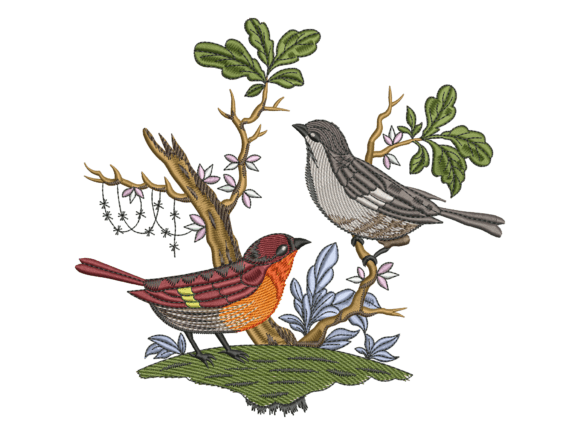
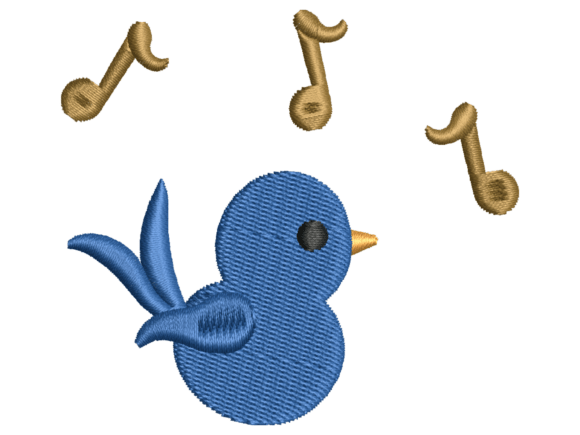
As an embroidery designer who’s developed over 200+ commercial designs for small clothing brands and Etsy sellers, I opened Cute Singing Blue Bird Embroidery with a specific question in mind: does this design hold up—not just as a charming animal motif—but as a functional, versatile asset for real-world sweatshirt and hoodie projects? The answer is yes, but with thoughtful execution. From the first glance, Cute Singing Blue Bird Embroidery reads as sweet without being saccharine—its posture suggests gentle movement, its curved beak and softly rounded wings evoke lightness and melody. It leans into the Animals category with warmth and personality, landing firmly in the “playful yet premium” zone—not too minimal to disappear on fabric, not so dense it overwhelms delicate apparel.
How It Performs Across Key Apparel Applications
Sweatshirt embroidery and hoodie design are where Cute Singing Blue Bird Embroidery shines brightest. On neutral heather grey or oatmeal sweatshirts, it reads cleanly at 3.5–4 inches wide—ideal for left-chest placement. Its balanced proportions mean it doesn’t tilt or distort when hooped on curved surfaces like ribbed cuffs or hood edges. For sleeve accents, I recommend scaling down to 2.25 inches: the bird’s compact shape holds detail well even at smaller sizes, and its upward-facing orientation adds subtle energy to relaxed-fit garments.
On dark apparel—navy fleece hoodies or charcoal terry sweatshirts—the design benefits from high-contrast thread colors. A crisp white or pale sky blue top thread lifts the bird against deep backgrounds without requiring underlay overkill. That said, avoid placing it directly over thick seams or heavy stitching lines; the bird’s wingtips and tail feathers rely on smooth fabric texture to read clearly.
For tote bag design and denim jacket embroidery, Cute Singing Blue Bird Embroidery works best as a single focal point—centered on the back panel or above a pocket. Its moderate stitch density keeps production time reasonable while preserving expressive line work. On oversized garments, the design scales gracefully up to 5 inches without pixelation or thread nesting, making it adaptable for inclusive sizing without redesign.
Strategic Placement & Fabric Considerations
This isn’t a one-size-fits-all machine embroidery design. Its charm depends on context. On stretchy fabrics like cotton-spandex blends, use a lightweight cutaway stabilizer and reduce top tension slightly—those fine beak and feather outlines can pucker if overstabilized. With fleece or brushed-back knits, test stitch density first: some versions of Cute Singing Blue Bird Embroidery include tight satin-stitched areas that may sink into lofty piles. A tear-away + fusible combo often yields crisper results than cutaway alone.
Curved surfaces—like the front placket of a hoodie or the rounded yoke of a raglan tee—require careful hooping. I’ve found the bird’s symmetrical balance helps here: centering the chest mark just below the collarbone gives natural visual flow. Avoid placing it near side seams or underarm gussets where stretching occurs during wear—those areas compromise long-term stitch integrity.
Brand Value & Customer Perception
When used intentionally, Cute Singing Blue Bird Embroidery elevates a small shop product from generic to curated. It signals attention to detail—especially when paired with cohesive thread palettes across a collection (e.g., matching sky blue thread on hoodies, tote bags, and matching scrunchies). Buyers respond to that consistency. As a boutique brand, using this digital embroidery file helps reinforce a recognizable visual language: soft, nature-infused, quietly joyful. It builds customer engagement not through loud graphics, but through repeatable, comforting familiarity—think of it as your brand’s friendly signature, not a shout.
In Etsy listings and social media graphics, Cute Singing Blue Bird Embroidery photographs beautifully in lifestyle settings: perched on a folded sweatshirt beside ceramic mugs or nestled into a linen pillow stack. Because its lines are clean and its shape legible at thumbnail size, it performs well in printable mockups and digital ads—no need for heavy filters or overlays to make it pop.
Practical Designer Notes Before You Stitch
- Always test on scrap fabric—especially if using new stabilizer combinations or unfamiliar garment blanks.
- Review the embroidery file’s included formats: confirm compatibility with your machine before digitizing adjustments.
- Check hoop size requirements—some variations of this design fit comfortably in a 4x4 hoop, others may require 5x7. Don’t assume.
- Compare thread color contrast on your actual fabric swatches—not just screen previews. What looks vibrant on a monitor may mute on heathered knits.
- Inspect stitch density visually in your editing software. If feather fill areas appear overly dense, consider reducing density by 5–8% for softer drape on lightweight tees.
- Confirm licensing terms on Creative Fabrica before producing commercial embroidery products—you’ll need a commercial license to sell finished apparel.
- Test placement options: chest, sleeve, back yoke, and pocket flap all create different brand impressions. Let your target customer guide the choice.
Final Thoughts for Creative Entrepreneurs
Cute Singing Blue Bird Embroidery isn’t flashy—but it’s reliable, expressive, and quietly confident. It fits seamlessly into seasonal collections: think pastel hoodies for spring launches, navy sweatshirts for fall layers, or cream terry sets for cozy gifting. For the handmade product maker or custom apparel studio, it’s a smart, low-risk addition to your design library—versatile enough for multiple applications, distinctive enough to build recognition over time. When executed with care—right stabilizer, smart placement, intentional thread palette—it becomes more than decoration. It becomes part of your brand’s quiet voice.